The engineering process / Worked example

From the question to a decision brief

Follow an illustrative scope from the first question to a reviewable brief. See how the records, methods and interfaces change between offshore and onshore work.

Illustrative worked examples. No client asset, project result or execution approval is represented.

Illustrative scope

Offshore module removal

Remove a redundant topsides module and transfer it to an onshore receiving facility. Wells, substructure and unrelated systems are outside this example.

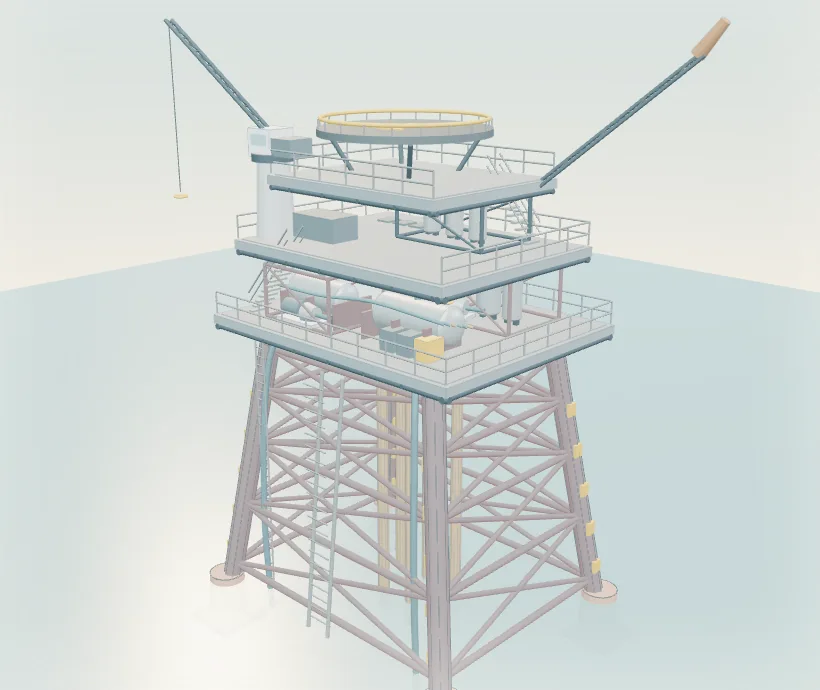
Illustrative offshore asset model, not to scale

01 / Decision

Define the removal question.

Which removal approach should be taken forward for engineering development, and what information is needed before that choice can be made?

Required end state
The module removed, retained interfaces left in the agreed condition, and material transferred to an identified receiving route.
Decision boundary
Preparation, temporary support, separation, lifting, transport and receiving conditions.
Before comparison
Agree the scope, exclusions and decision criteria with the asset owner.
Output from this stage

A scope and decision statement.
02 / Evidence

Establish what the records support.

A removal concept depends on current condition and configuration as well as the original design. Keep unresolved differences visible.

Structure and inspection
What supports the module, which connections remain, and what has changed?
Weight and modifications
What is included in the weight and centre-of-gravity basis, including retained contents and temporary equipment?
Process and isolation
Where are the retained-system boundaries, and what preparation remains?
Transport and receiving
What constraints apply to load transfer, vessel or ground support, transport and acceptance ashore?

Illustrative open issue: the weight report and modification record do not reconcile. Record the competing information and define how it will be checked.

Output from this stage

A source register and prioritised verification actions.

03 / Options

Develop comparable removal approaches.

Describe each approach against the same scope and end state. An option remains conditional until its assumptions are supported.

Option A / Remove as one unit
Review the installed, partly released, suspended and landed states, together with lifting and transport constraints.
Option B / Remove in engineered sections
Review additional preparation, temporary stability, access, handling and repeated transfer operations.

Neither approach is presented as feasible or preferred in this example.

Output from this stage

An option register with scope, assumptions and exclusions.

04 / Comparison

Compare the factors that change the method.

Review feasibility constraints before making trade-offs. Explain the evidence behind each comparison and the uncertainty that remains.

Safety and temporary states
Load paths, restraint, access, exposure and the controls needed at each transition.
Technical feasibility
Condition, weight basis, lifting arrangements and transport or receiving limitations.
Environment and materials
Residual contents, waste classification, containment and receiving requirements.
Schedule and interfaces
Preparation duration, vessel or plant availability, handovers and dependencies.
Cost basis
Work quantities, method assumptions, commercial inputs and the effect of unresolved information.
Applicable requirements
The obligations, approvals and commitments relevant to the actual scope and jurisdiction.

If missing information could change whether an option is feasible, identify the verification required before recommending it.

Output from this stage

A comparison with traceable reasons, limitations and items requiring resolution.

05 / Deliverable

Carry the findings into a decision brief.

The brief records the decision sought, the options examined and the basis for the next step. Any recommendation states the conditions on which it depends.

Scope and options
Agreed boundaries, interfaces, options considered and screening reasons.
Decision basis
Evidence, assumptions and limitations supporting the comparison.
Open actions
Action owners, required evidence and the point at which each issue must be resolved.

Illustrative next step: resolve the weight discrepancy and review the temporary structural states before selecting a removal approach.

Output from this stage

A decision brief and action register for the next review.

A decision brief supports the next review. It does not authorise the lifting or removal operation.

Illustrative scope

Onshore process area dismantling

Dismantle a redundant process area beside retained infrastructure. Soil remediation and below-ground assets require separate scope confirmation.

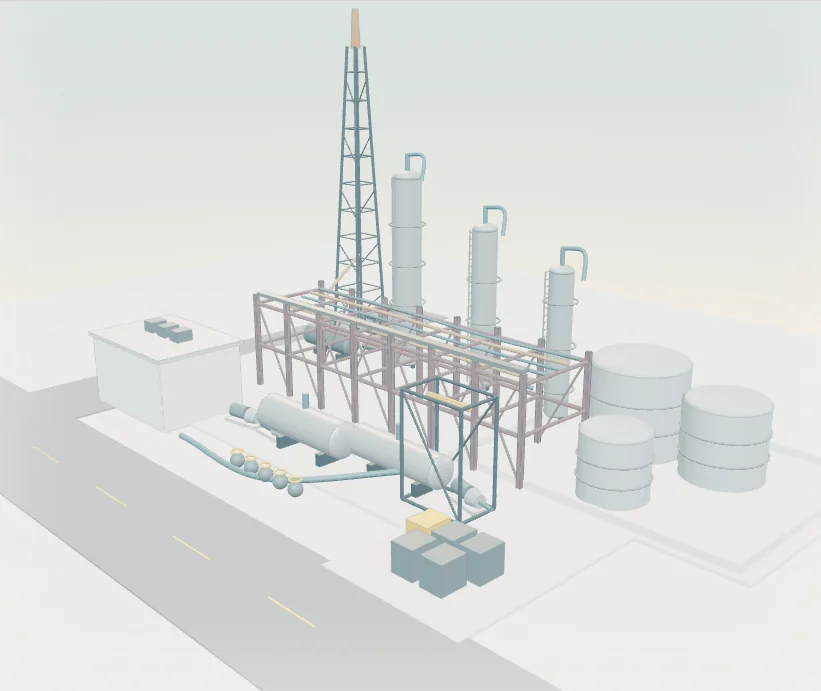
Illustrative onshore asset model, not to scale

01 / Decision

Define the dismantling question.

Which dismantling approach should be developed, and what must be established about the area and its retained interfaces?

Required end state
The agreed plant removed, retained infrastructure protected, and the remaining site condition documented.
Decision boundary
Isolation, cleaning, access, temporary support, dismantling, handling and material transfer.
Before comparison
Agree the physical limits, operating interfaces and evidence required at handover.
Output from this stage

A scope and decision statement.

02 / Evidence

Reconcile the plant with its records.

Establish the current condition, retained connections and access limitations before fixing a dismantling sequence.

Layout, structure and inspection
What remains supported or restrained as equipment is removed?
Process and service records
Which systems remain operational, and where are the agreed boundaries?
Materials and cleaning
What is known about residues and materials that affect preparation and handling?
Access, ground and receiving
What constraints apply to plant positions, handling routes and material acceptance?

Illustrative open issue: a service connection appears on one drawing but not another. Establish its identity and status before the affected scope is released.

Output from this stage

An evidence register and targeted verification scope.

03 / Options

Develop the dismantling approaches.

Compare approaches against the same asset boundary and completion criteria. Some areas may require a combination of methods.

Option A / Separate and lift selected equipment
Review weight, lifting access, structural connections, temporary support and landing arrangements.
Option B / Dismantle progressively within a defined area
Review the sequence, reach and access limits, intermediate stability, exclusion arrangements and segregation.

Method suitability remains subject to the actual configuration, condition and site constraints.

Output from this stage

An option register with method boundaries and assumptions.

04 / Comparison

Test the approach against the site.

Compare the practical implications of each method and identify constraints that must be resolved before work can proceed.

Safety and temporary states
Changing support and restraint, access, work exposure and effects on adjacent infrastructure.
Technical feasibility
Condition, geometry, plant access, lifting arrangements and ground or support limitations.
Environment and materials
Dust, noise, residues, segregation and receiving-facility requirements, as applicable.
Schedule and interfaces
Operating constraints, isolation releases, shared routes and material handling.
Cost basis
Preparation, access, temporary works, dismantling effort and material handling assumptions.
Applicable requirements
The obligations, permits and acceptance criteria relevant to the actual site and works.

A method should not rely on an unverified service boundary or structural condition.

Output from this stage

A reasoned comparison and prioritised information requirements.

05 / Deliverable

Carry the decision into the next stage.

Document what can progress, what remains conditional and what each party needs to provide.

Scope and approach
Retained-system boundaries, dismantling approaches and comparison basis.
Planning assumptions
Preparation, access and material-pathway assumptions.
Engineering and actions
Interfaces, proposed engineering tasks and evidence required before the affected work is released.

Illustrative next step: confirm the service boundary and current structural condition before developing the detailed dismantling sequence.

Output from this stage

A decision brief and action register for the next review.

The example explains a study process. It is not a demolition plan or an instruction to carry out work.

Step 1 of 5 · Decision

Apply the process to your scope

What decision does your team need to make?

Start with the asset, the question and the information available.

Find the right support Discuss an options study