
Establish the next stage.
Compare options, define the end state and develop the planning basis for your asset.
Options and planningEndura Decommissioning · Australia
Independent decommissioning advice, from options assessment and cost planning through to execution support.

Who we support
Engage Endura around a defined question, a work package or an ongoing technical role.
Compare options, define the end state and develop the planning basis for your asset.
Options and planningReview methods, temporary states and the responsibilities across removal, transport and receiving.
Engineering and interfacesTrace quantities, methods and assumptions into the engineering inputs behind cost and schedule.
Cost and schedule supportMap applicable obligations, submission requirements and the records needed for the next review.
Evidence and pathways01 / Expertise
Engage Endura for a defined study, a specific engineering question or support across a wider programme. The scope, interfaces and required outputs are agreed at the outset.
Comparative assessments, business cases and decommissioning plans that connect the asset boundary to the required end state.
Engineering development and review of the quantities, assumptions and dependencies behind a proposed scope.
Contracting strategy and owner’s engineering support, with technical responsibilities and handovers made explicit.
Pathway mapping and documentation review aligned to the jurisdiction, asset and decision stage.
Define the discussion
Select the asset setting, the decision ahead and the records available.
A starting point for discussion. The scope and deliverables are agreed after review of the project context.
Connect condition, weight and inspection evidence to the assumptions behind a removal concept.
Explore the relevant supportReview output: removal assumptions and temporary-state review scope.
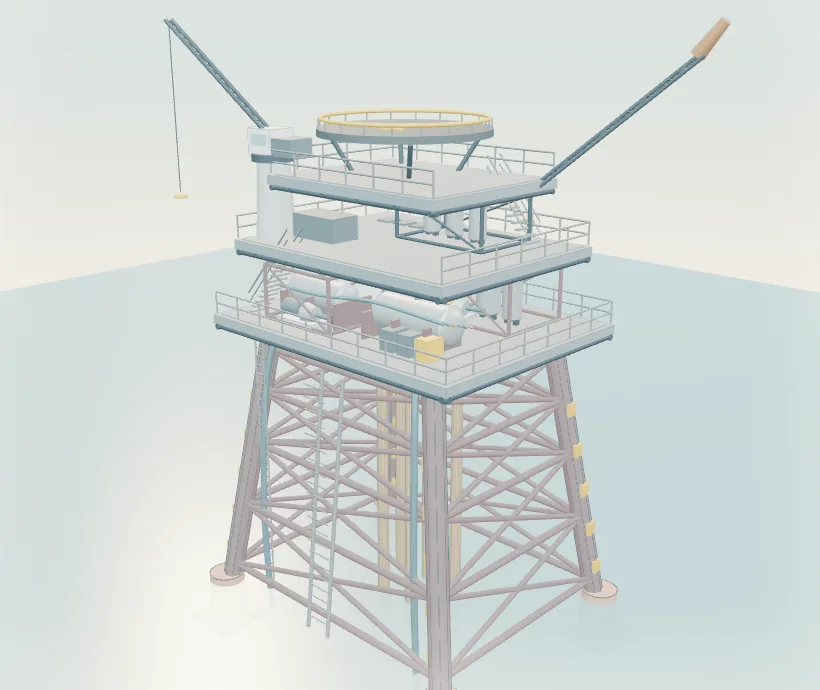
Removal method, access, lifting, temporary support and sequence.
See where records influence scope, method and execution. Select a domain to connect the asset to its evidence requirements.
Start the model to explore its evidence domains.
Select a chart row or model hotspot to inspect the evidence and the decision it influences.
Illustrative cutaway, not to scale. The scene does not represent a water depth or a verified removal sequence. Synthetic example, not an assessment of an actual asset. These scores do not measure structural integrity, safety, completion or an accounting provision. Both asset views use the same illustrative evidence set.
The practice
Endura brings execution experience into front-end planning and engineering review.
Led by Jed van Iersel, the consultancy supports operators and delivery teams where uncertain scope, inherited records or unresolved interfaces are preventing progress.
Jed’s work spans front-end planning, offshore removal, marine interfaces and close-out across international decommissioning environments.

Informed by execution
Removal concepts depend on the temporary states, marine interfaces and receiving conditions as well as the final lift or cut. These constraints belong in the planning and cost basis.
Explore method developmentSelected team experience from previous roles.
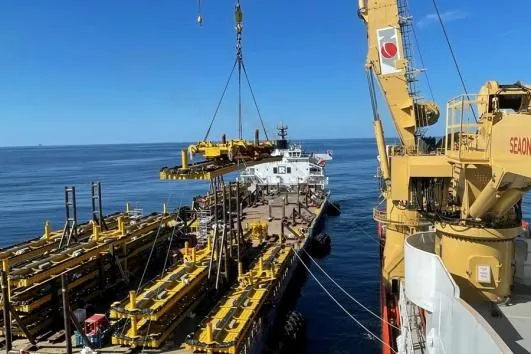
Load transfer, transport assumptions and receiving arrangements.
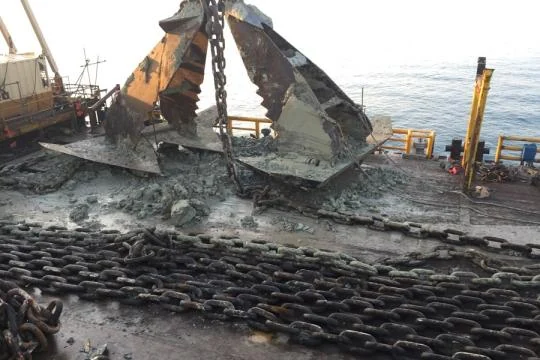
Recovery sequence, handling constraints and material condition.
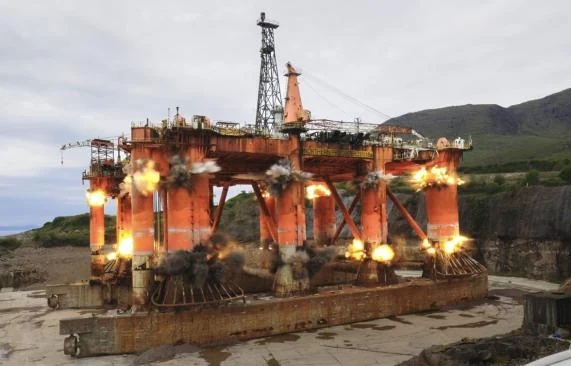
Removal sequence, segregation and receiving-facility requirements.
04 / Engineering approach
The method connects the asset record to temporary states, interfaces and the planning basis. Explore the dependencies and the decisions they affect.
Planning dependencies
Condition, weight and interfaces inform the engineering basis.
Three evidence inputs feed the removal-method review. That review informs technical studies and the planning basis.
Current condition, connections and modification records.
Weight basis, retained contents and uncertainty.
Access, transport assumptions and receiving conditions.
Review the load path, release sequence and interfaces.
Read the temporary-state noteLift, support and transport studies.
Cost and schedule assumptions; items still to verify.
Illustrative planning dependencies. The method and acceptance criteria require project-specific engineering and verification.
Current structural condition, connections and proposed cut sequence.
Support requirements while permanent connections are removed.
Confirm temporary states through project-specific engineering review.
What the work produces
The deliverable set follows the agreed engagement. Findings, source records, assumptions and unresolved items stay visible for the people taking the work forward.
Options, assessment findings, limitations and recommended next actions.
Scope boundaries, assumptions, methods and the interfaces affecting execution.
Cost and schedule basis, work packaging and technical tendering inputs.
Priorities, responsibilities, dependencies and information still required.
Follow an illustrative decision from its initial question to the supporting brief.
Separate platform offering
Asset documentation intelligence for decommissioning.
Explore how inherited records and documentation gaps can inform the engineering basis. A walkthrough establishes the available functionality and scope.
decomm.ai is presented separately from Endura’s consultancy services. The public demonstration uses illustrative data and does not calculate an accounting provision.
Explore decomm.aiTechnical library
Connect the asset record to quantities, methods and assumptions that another reviewer can follow.
Read technical note Removal engineeringExamine the transitions that matter before a structure is fully released.
Read technical note Scope and interfacesDefine the remaining obligations and evidence across removal, transport and receiving facilities.
Read technical noteLooking for public industry context? Browse selected Australian offshore regulatory records.
Discuss your project
Start with the question your team needs to resolve and the information available.